The Role of Yoga in Alleviating Anxiety and PTSD Symptoms

Anxiety and PTSD are increasingly common in today's fast-paced world. Many individuals are turning to holistic approaches like yoga to manage these mental health challenges. Yoga offers a unique blend of physical postures, breathing exercises, and meditation, making it an effective tool for alleviating anxiety and PTSD symptoms.
The Connection Between Yoga and Mental Health
Yoga has been practiced for thousands of years, primarily for its physical and mental health benefits. Recent studies have shown that yoga can significantly reduce symptoms of anxiety and PTSD. This is largely due to yoga's ability to enhance emotional regulation through mindfulness and controlled breathing.
When practiced regularly, yoga encourages a state of relaxation and mindfulness. This state helps individuals become more aware of their thoughts and feelings, allowing them to respond rather than react to stressors. This shift can lead to a reduction in anxiety and PTSD symptoms over time.

The Science Behind Yoga's Impact on Anxiety
Research indicates that yoga lowers cortisol levels, the hormone responsible for stress. By reducing cortisol, yoga helps decrease anxiety levels. Additionally, the practice of yoga increases the production of serotonin, often referred to as the "feel-good" hormone, which promotes a sense of well-being and happiness.
Moreover, the physical aspect of yoga helps release tension stored in the muscles, which is common in individuals suffering from anxiety. The combination of movement, breath, and mindfulness creates a comprehensive approach to managing stress and anxiety.

Yoga Practices Beneficial for PTSD
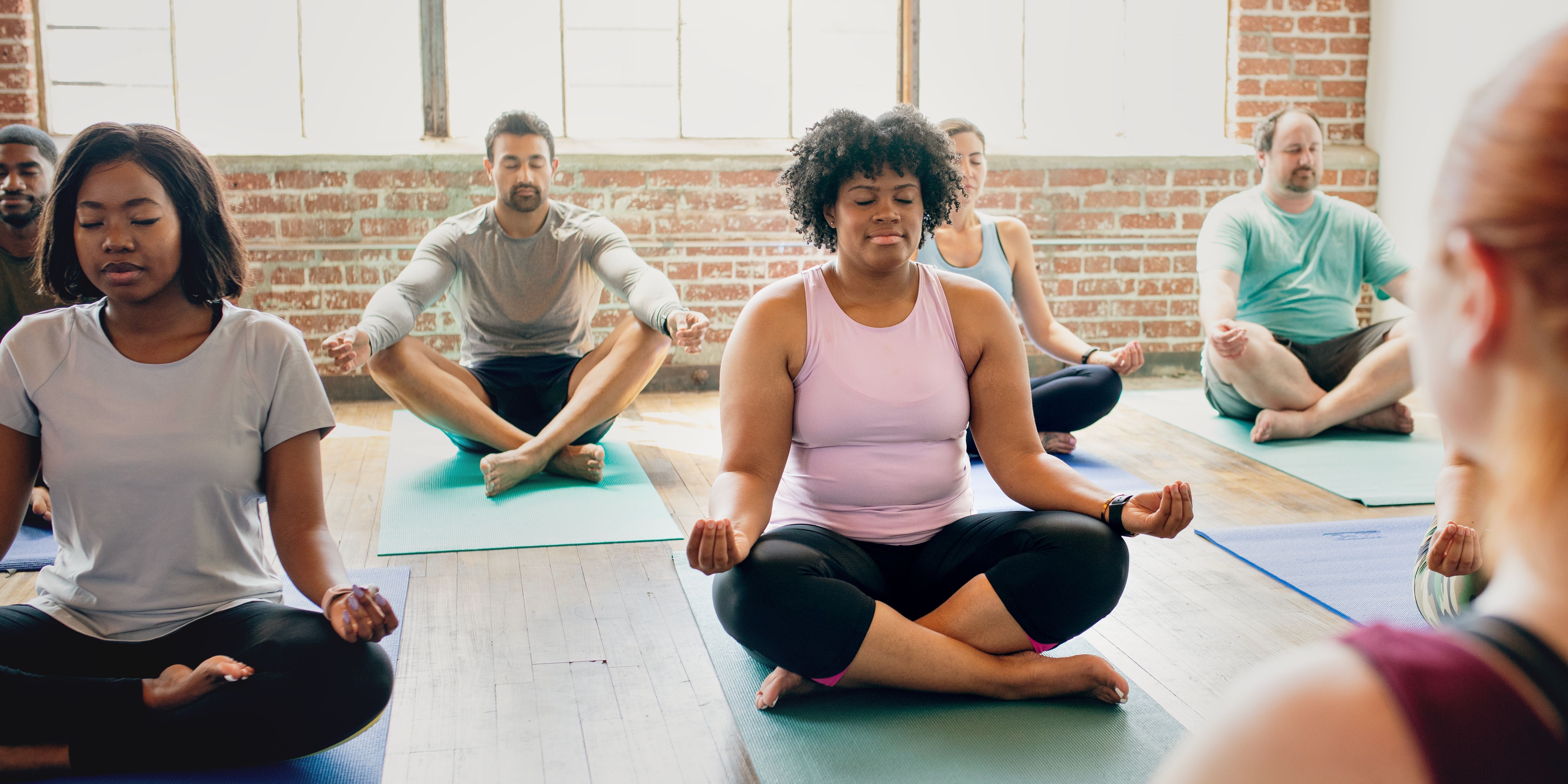
PTSD can be particularly challenging to manage due to its intense symptoms. However, yoga provides a supportive environment where individuals can explore their emotions without judgment. Specific practices, such as trauma-sensitive yoga, are designed to address the needs of those with PTSD.
- Grounding techniques: These exercises help individuals connect with their bodies and the present moment, reducing flashbacks and dissociation.
- Breathing exercises: Controlled breathing helps calm the nervous system, reducing hyperarousal.
- Mindfulness meditation: This encourages a focus on the present, helping to alleviate intrusive thoughts.
Incorporating Yoga into Daily Life
For those looking to use yoga as a tool for managing anxiety and PTSD, consistency is key. Establishing a regular practice can lead to long-term benefits. Here are some tips to get started:
- Start with short, manageable sessions and gradually increase the duration as comfort grows.
- Focus on breathing and mindfulness during each session to maximize mental health benefits.
- Consider joining a yoga class or following online tutorials to maintain motivation and correct form.

Conclusion: A Holistic Approach to Healing
Yoga offers a holistic approach to managing anxiety and PTSD, providing both physical and mental relief. By incorporating yoga into daily routines, individuals can foster a greater sense of peace and emotional well-being. As with any form of therapy, it's important to consult with a healthcare professional to ensure it complements any existing treatment plans.