The Power of Peer Support: Building Community Among Veterans


The Importance of Peer Support for Veterans
For veterans returning to civilian life, the transition can be challenging. The structured environment of military service often contrasts sharply with the unpredictability of everyday life. Here, the power of peer support becomes invaluable. Connecting with fellow veterans who have shared similar experiences can provide a sense of community and understanding that is difficult to find elsewhere.

Shared Experiences and Understanding
One of the most significant benefits of peer support is the shared experiences among veterans. These shared experiences foster a unique bond, allowing veterans to communicate openly about their challenges without fear of judgment. This understanding is crucial for mental health, as it reduces feelings of isolation and promotes emotional healing.
Building Trust and Camaraderie
Trust is foundational in any support network, and among veterans, it is often built on the camaraderie developed during service. Peer support groups create a safe space where veterans can be vulnerable and share their stories, knowing they are among those who truly understand. This trust empowers veterans to seek help and support, which can be the first step toward recovery and adjustment.
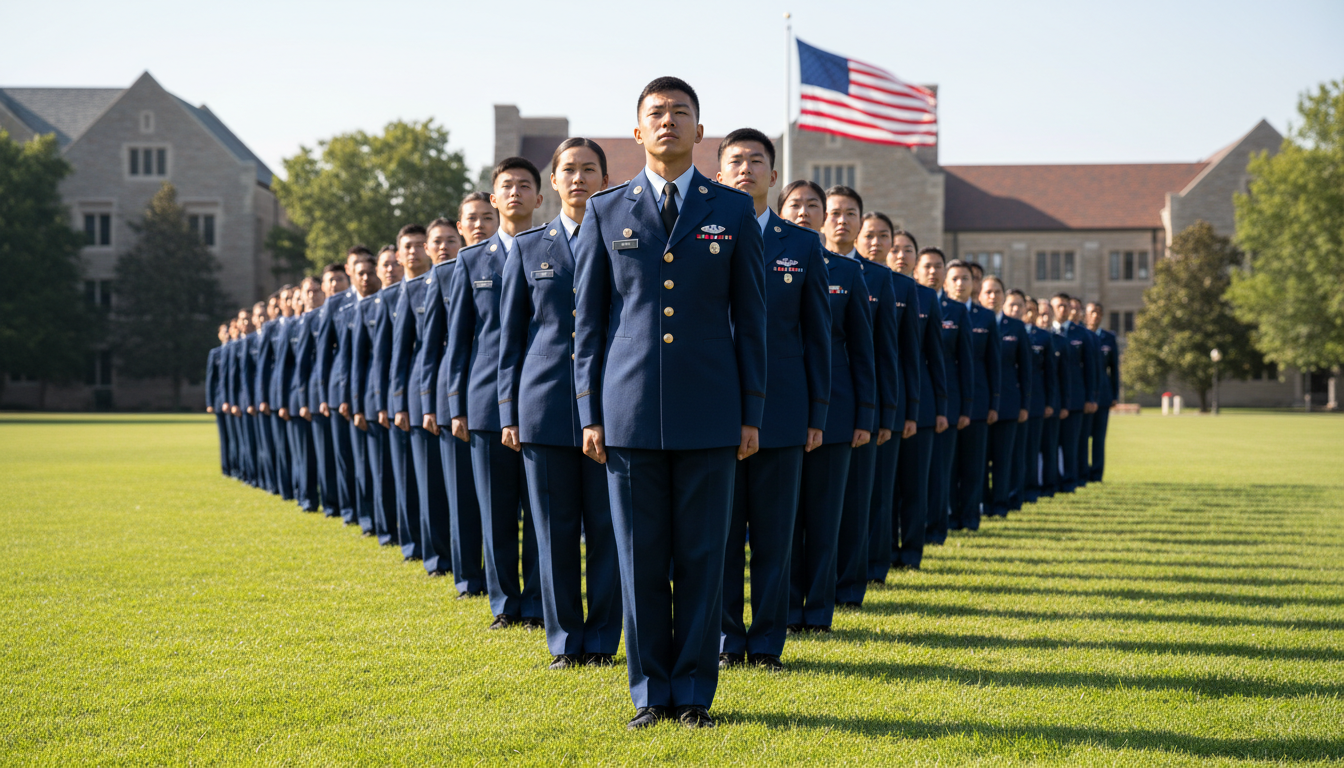
Peer Support Groups in Action
Many organizations have recognized the need for peer support among veterans and have established groups to facilitate this. These groups often focus on various aspects of life after service, such as employment, mental health, and social integration. By participating, veterans can gain not only emotional support but also practical advice on navigating civilian life.
Encouraging Personal Growth
Peer support is not just about coping with challenges; it is also about encouraging personal growth. Veterans in peer groups often find themselves inspired by the resilience and strength of their peers. This inspiration can lead to personal development, whether by pursuing education, engaging in new hobbies, or taking on leadership roles within the community.

The Role of Technology
Technology has expanded the reach and accessibility of peer support for veterans. Online platforms and social media groups allow veterans to connect with peers from around the world, providing 24/7 support. These digital communities complement in-person meetings and ensure that veterans can access help whenever they need it.
Conclusion: A Lifeline for Veterans
The power of peer support lies in its ability to provide a lifeline for veterans navigating the complexities of civilian life. By building a strong community based on shared experiences and mutual understanding, veterans can find the support they need to thrive. Organizations and individuals alike should continue to foster these connections, recognizing the profound impact they have on the well-being of those who have served.