Exploring Holistic Wellness: Yoga and Mindfulness for Veterans

Introduction to Holistic Wellness
Holistic wellness is an approach that considers the whole person, including their physical, emotional, mental, and spiritual well-being. For veterans, this comprehensive approach can be particularly beneficial. After experiencing the demands of military service, many veterans are seeking pathways to healing that address both body and mind.
Among the various practices available, yoga and mindfulness have emerged as effective tools for promoting holistic wellness. These practices offer numerous benefits that can help veterans navigate post-service life with greater ease and resilience.

The Benefits of Yoga for Veterans
Yoga is a practice that combines physical postures, breathing exercises, and meditation. It can be particularly advantageous for veterans by promoting physical health and emotional balance. Here are some key benefits:
- Improved Flexibility: Regular yoga practice helps enhance flexibility, which can alleviate physical tension and prevent injuries.
- Stress Reduction: Yoga encourages relaxation and reduces stress, which is vital for veterans dealing with anxiety or PTSD.
- Enhanced Mental Clarity: The meditative aspects of yoga help improve focus and mental clarity.
Veterans often find that yoga classes provide a supportive community, allowing them to connect with others who understand their experiences.
Yoga Practices Suitable for Veterans
There are various styles of yoga, and some may be more suitable for veterans than others. Consider exploring:
- Hatha Yoga: Known for its gentle and slow-paced movements, making it accessible for beginners.
- Restorative Yoga: Focuses on relaxation and recovery, ideal for those dealing with stress or trauma.
- Vinyasa Yoga: A more dynamic style that links breath with movement, great for those who prefer a more physically engaging practice.
Mindfulness as a Tool for Healing
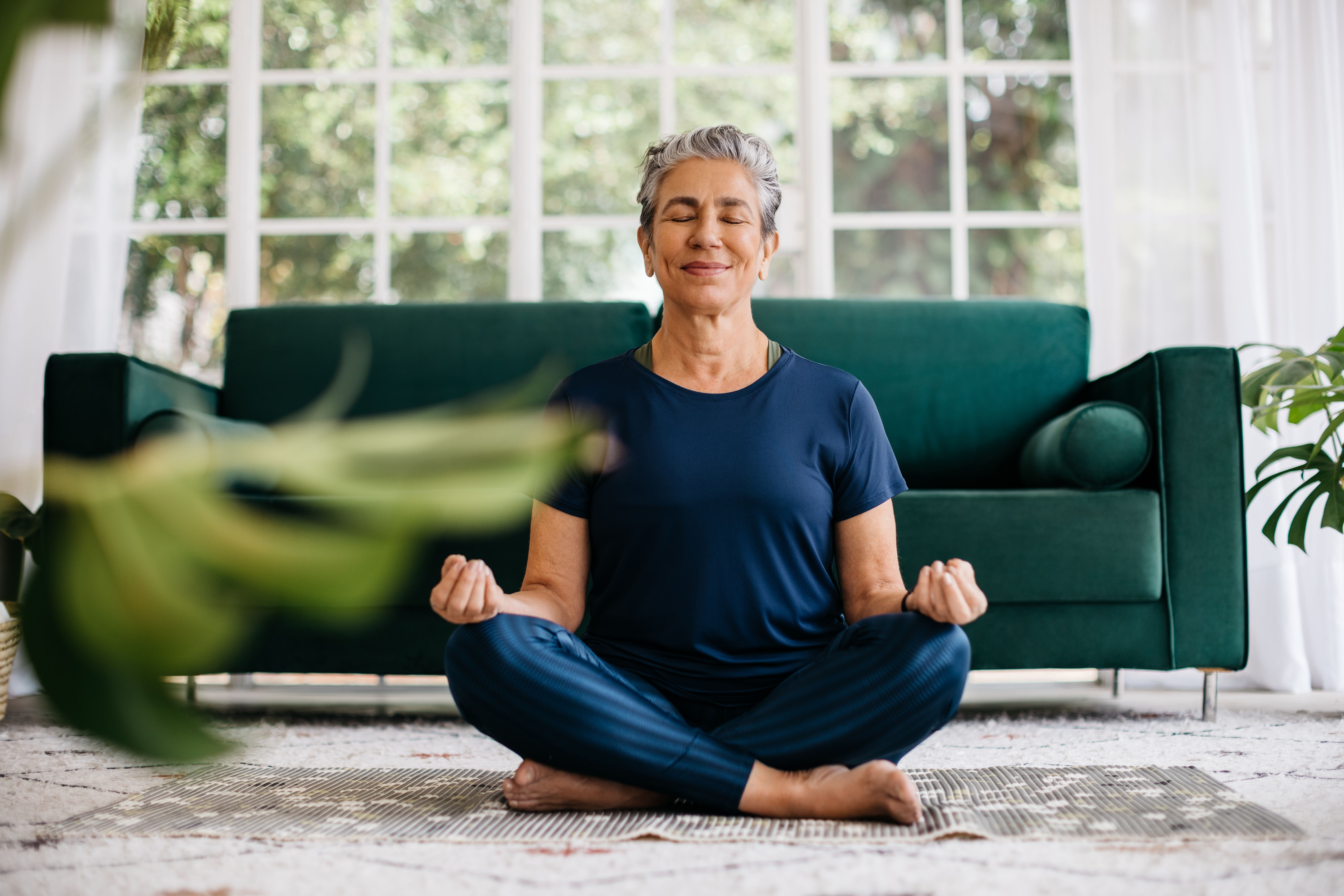
Mindfulness involves being present and fully engaged in the moment without judgment. It is a practice that can significantly aid veterans in managing stress and improving mental health. Here are some benefits:
- Increased Self-Awareness: Mindfulness helps veterans become more attuned to their thoughts and emotions.
- Emotional Regulation: Practicing mindfulness can enhance emotional stability and reduce reactivity.
- Improved Sleep: Many veterans report better sleep patterns as a result of mindfulness practice.
Mindfulness can be practiced in various forms, such as meditation, breathing exercises, or even mindful walking.
Integrating Mindfulness into Daily Life
One of the strengths of mindfulness is its adaptability. Veterans can integrate mindfulness into their daily routines by:
- Setting aside time for daily meditation, even if it's just for a few minutes.
- Practicing mindful breathing exercises during moments of stress.
- Engaging in mindful activities, such as eating or walking, to enhance presence.

Creating a Supportive Environment
For veterans exploring yoga and mindfulness, having a supportive environment is crucial. This could mean finding local classes specifically tailored for veterans or joining online communities where they can share experiences and tips.
Family members and friends can also play a supportive role by encouraging veterans to explore these practices and acknowledging their progress.
Conclusion: A Pathway to Wholeness
Holistic wellness through yoga and mindfulness offers veterans a pathway to healing that honors their experiences and promotes overall well-being. By embracing these practices, veterans can find balance and peace, enhancing their quality of life post-service.
As more veterans discover the benefits of holistic wellness, it becomes clear that these practices offer not just healing but a journey toward wholeness and self-discovery.