Building Community: The Importance of Peer Support for Veterans

The Power of Community for Veterans
For many veterans, transitioning from military to civilian life can be a challenging journey. The sense of camaraderie and shared purpose that defines military service is often difficult to replicate in civilian life. This is where building a strong community becomes essential. Peer support among veterans can provide a lifeline, offering understanding, encouragement, and shared experiences.
Understanding the Role of Peer Support
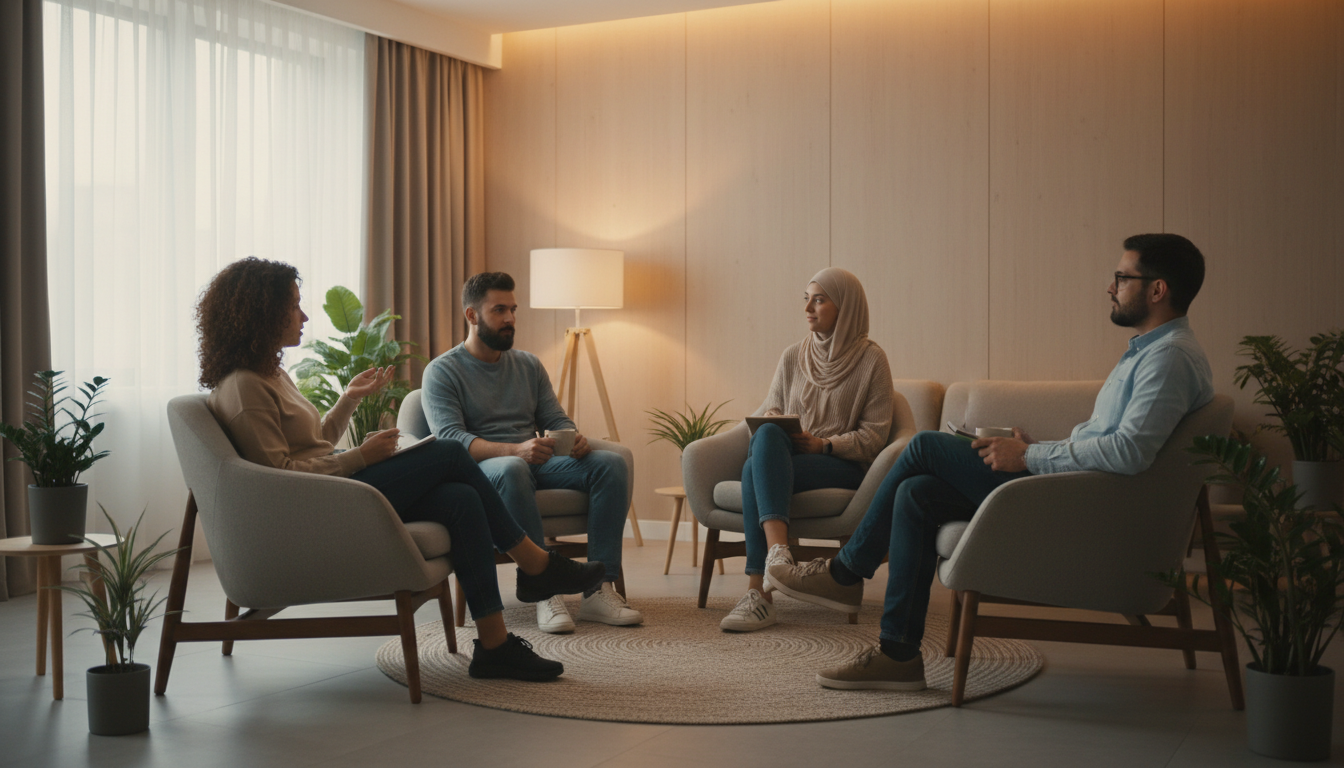
Peer support involves veterans helping other veterans. This support takes many forms, from informal meetups to structured support groups. The key is that the support comes from individuals who have walked a similar path. This shared experience fosters trust and understanding, which is crucial for effective support.
Peer support can lead to improved mental health outcomes, reduced feelings of isolation, and a stronger sense of belonging. Veterans often find solace in connecting with others who truly understand their experiences.
Benefits of Building a Veteran Community
Building a community among veterans offers numerous benefits. Here are some key advantages:
- Emotional support: Sharing experiences with peers can provide emotional relief and reduce stress.
- Practical advice: Veterans can exchange valuable information about navigating civilian life, accessing benefits, and finding employment.
- Camaraderie: Reestablishing a sense of brotherhood or sisterhood helps reinforce identity and belonging.
How to Foster Peer Support
Creating a supportive environment for veterans involves several strategies. Here are some steps to consider:
- Create safe spaces: Establish environments where veterans feel comfortable sharing their experiences.
- Encourage active participation: Invite veterans to lead discussions or organize events, fostering a sense of ownership.
- Utilize technology: Online forums and social media groups can connect veterans across distances, broadening the support network.
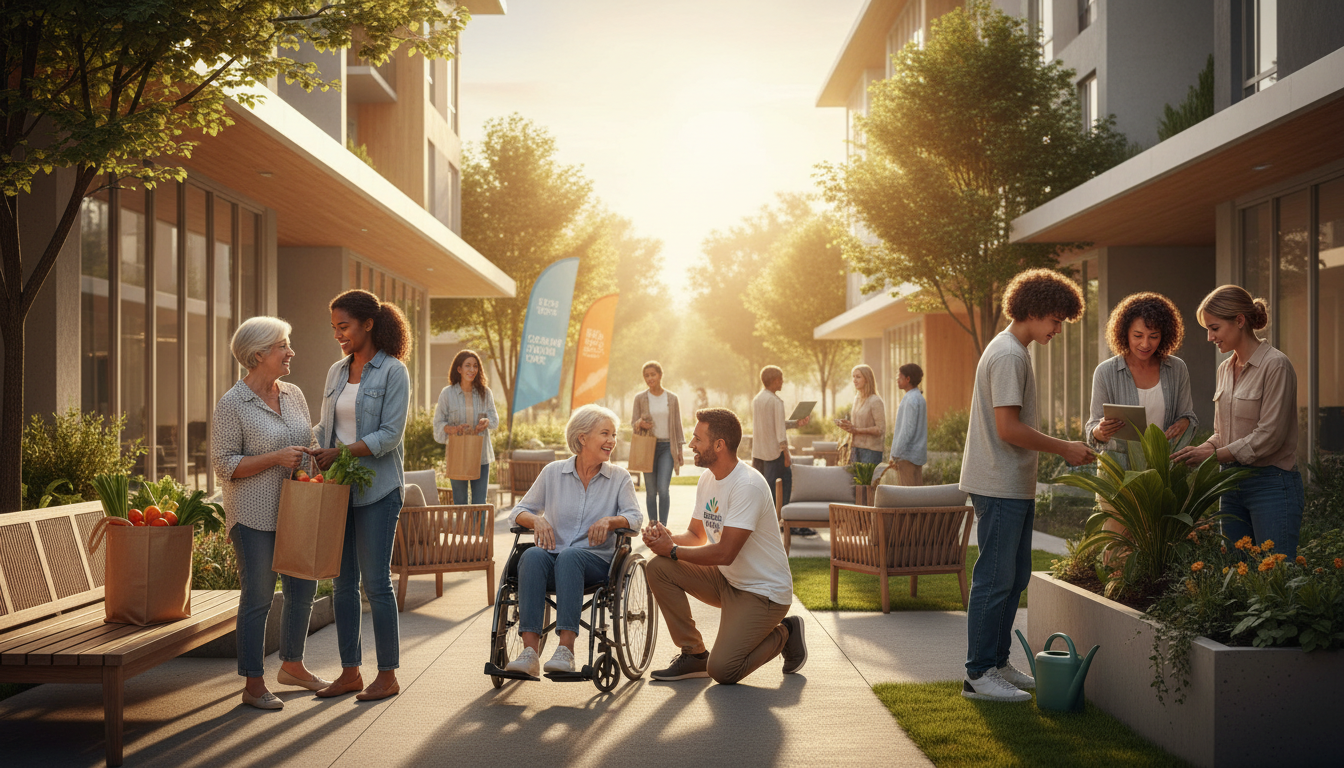
Engaging veterans in community activities, such as volunteer work or group outings, can also strengthen bonds and provide a sense of purpose.
Successful Peer Support Programs
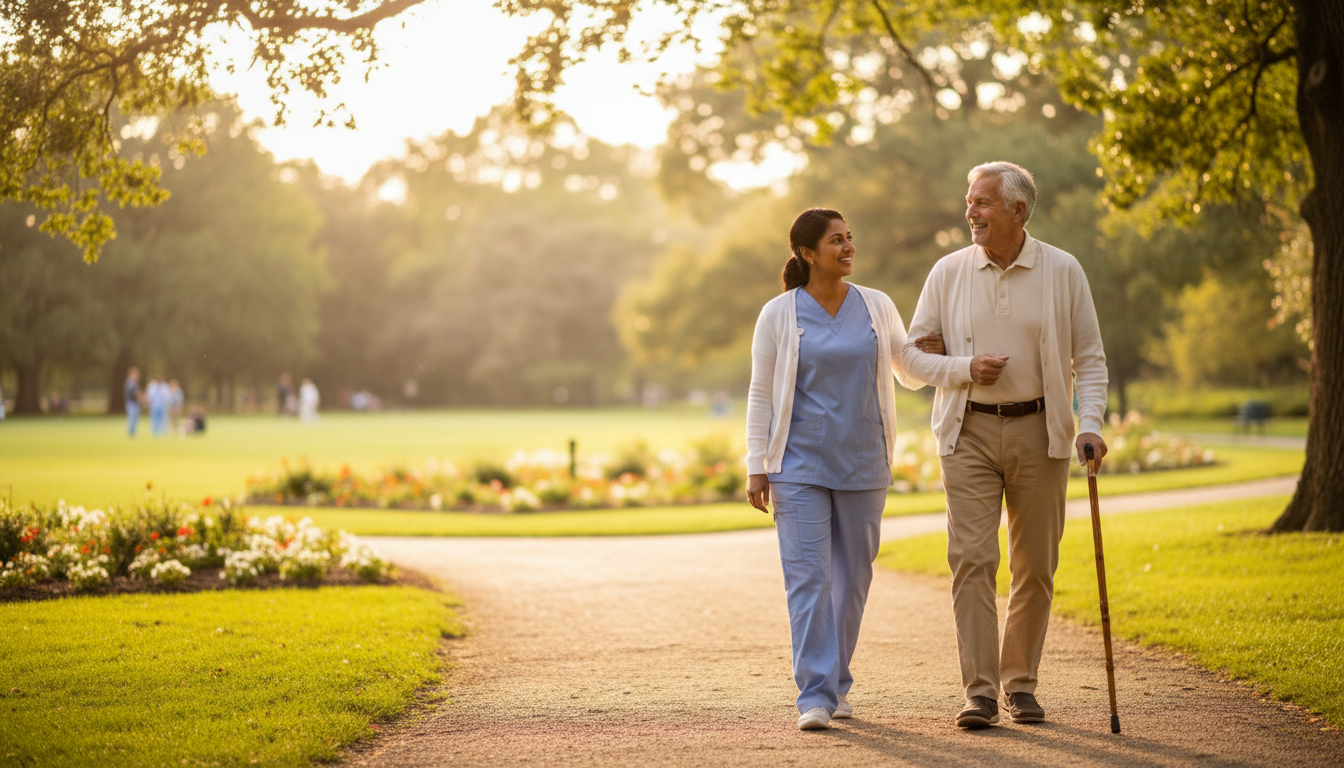
Numerous organizations have implemented successful peer support programs for veterans. These programs often feature counseling services, mentorship, and group therapy sessions. The Veterans Affairs (VA) Peer Support Program is a notable example, providing trained veteran peers to support others in their recovery journey.
Community-based initiatives, such as local veteran centers or nonprofit organizations, also play a crucial role. These groups often offer tailored support that addresses the specific needs of veterans in their communities.
Conclusion: The Path Forward
Building a strong community through peer support is vital for veterans navigating the complexities of life after service. By fostering environments where veterans can connect, share, and support one another, we can help them find the strength and resilience needed to thrive in civilian life.
As we continue to develop and expand these initiatives, we must remain committed to understanding and addressing the unique challenges faced by veterans. Together, we can create a supportive network that honors their service and empowers their future.